

Usability is the cornerstone of effective design and user experience, shaping the way we interact with products and services in our daily lives. In this exploration of usability, we will delve into its key components, the importance of usability testing, the significance of user-centered design, and the crucial relationship between accessibility and usability.
Join us on this journey to uncover how usability plays a vital role in creating successful products.
As we navigate through the realms of usability, we will uncover the intricate details that contribute to a seamless user experience, ultimately leading to product excellence and customer satisfaction.
Definition of Usability

Usability in the context of design and user experience refers to the ease of use and effectiveness of a product or system. It focuses on how intuitive, efficient, and satisfying it is for users to interact with a product or interface.
Key Components of Usability
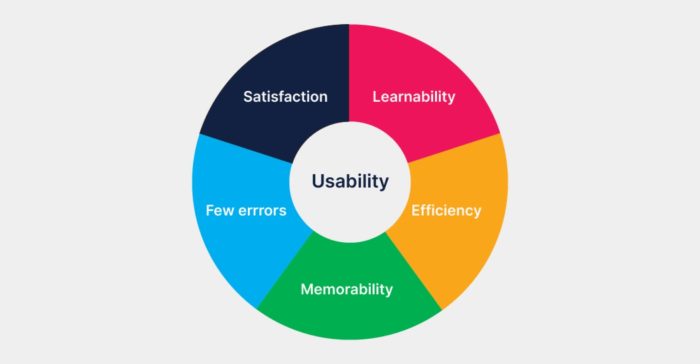
- Learnability: The ease with which users can accomplish basic tasks the first time they encounter the design.
- Efficiency: The speed and accuracy with which users can achieve tasks once they are familiar with the design.
- Memorability: The ease with which users can re-establish proficiency after a period of not using the design.
- Errors: The frequency and severity of errors users make while interacting with the design, as well as the ease of recovering from those errors.
- Satisfaction: The overall user experience and subjective perception of the design.
Importance of Usability for Product Success
Usability is crucial for product success because it directly impacts user satisfaction, retention, and loyalty. A product that is difficult to use or understand will frustrate users, leading to abandonment and negative reviews. On the other hand, a highly usable product can enhance user engagement, increase conversions, and drive positive word-of-mouth recommendations, ultimately contributing to the success and longevity of the product.
Usability Testing
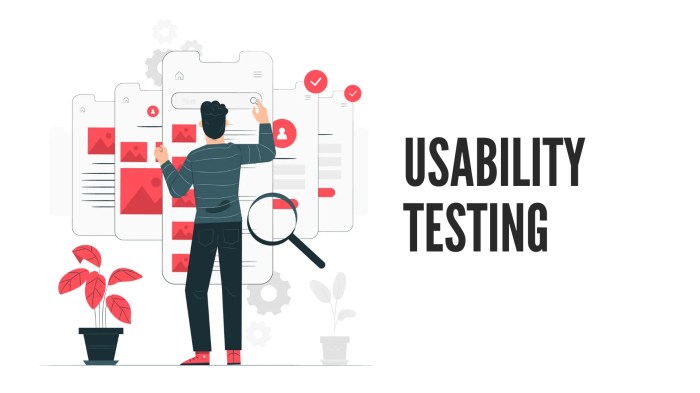
Usability testing plays a crucial role in product development as it helps identify potential issues and improve the overall user experience of a product. By observing how real users interact with a product, designers and developers can make informed decisions to enhance usability and address any usability issues before the product is launched.
Importance of Usability Testing
- Identifies usability issues: Usability testing helps uncover any difficulties users may face while interacting with a product, such as confusing navigation or unclear instructions.
- Improves user satisfaction: By addressing usability issues, products can be made more intuitive and user-friendly, leading to higher user satisfaction and retention.
- Reduces development costs: Fixing usability issues early in the development process is more cost-effective than making changes after the product has been launched.
Methods of Conducting Usability Tests
- Remote Usability Testing: Allows testers to participate from anywhere, providing flexibility and a diverse pool of participants.
- Think-Aloud Protocol: Users verbalize their thoughts and actions while interacting with the product, providing valuable insights into their decision-making process.
- Surveys and Questionnaires: Gather feedback from users about their experience with the product, highlighting areas for improvement.
Examples of Improved Products through Usability Testing
- Google Maps: Usability testing helped Google identify and address issues with the interface, leading to a more intuitive and user-friendly mapping application.
- Amazon: Continuous usability testing has allowed Amazon to refine its product pages, checkout process, and overall user experience, resulting in increased sales and customer satisfaction.
- Apple iPod: Usability testing played a key role in the development of the iPod, ensuring a seamless user experience that revolutionized the portable music industry.
User-Centered Design
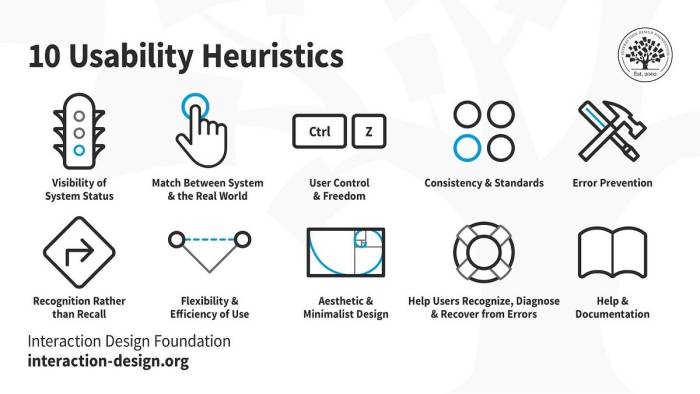
User-centered design is an approach that focuses on designing products, services, or systems with the end user in mind. It involves understanding the needs, preferences, and behaviors of the users throughout the design process to create more effective and user-friendly solutions.
Enhancing Usability through User-Centered Design
User-centered design enhances usability in various ways. By involving users in the design process, designers can gain valuable insights into how users interact with a product or service. This leads to the creation of intuitive interfaces, clear navigation, and overall improved user experience.
For example, conducting user research, such as interviews and usability testing, helps identify pain points and areas for improvement, resulting in a more user-friendly design.
Benefits of User Feedback in the Design Process
Incorporating user feedback in the design process is crucial for creating successful products. By listening to users' input, designers can address issues early on, prevent costly redesigns, and ensure that the final product meets users' needs and expectations. User feedback also helps in identifying new opportunities for innovation and differentiating the product in the market.
Overall, integrating user feedback leads to higher user satisfaction and increased product adoption.
Accessibility and Usability
Accessibility plays a crucial role in determining the usability of a product or website. When a product is accessible, it means that people with disabilities can also use it effectively. This not only expands the potential user base but also enhances the overall user experience for everyone.
Let's delve deeper into the relationship between accessibility and usability and how they impact each other.
Impact of Accessibility on Overall Usability
Designing products with accessibility in mind has a significant impact on the overall usability. When a product is accessible, it means that it is easier for all users to navigate, understand, and interact with. This leads to a more inclusive design that considers the diverse needs of users, resulting in a better user experience for everyone.
Accessibility features such as alternative text for images, keyboard navigation, and color contrast options not only benefit users with disabilities but also improve usability for all users.
Best Practices for Designing Products with Accessibility in Mind
- Ensure proper use of headings and subheadings to structure content.
- Provide alternative text for images to make them accessible to screen readers.
- Ensure keyboard accessibility for users who cannot use a mouse.
- Use color contrast effectively to make content readable for users with low vision.
- Test your product with assistive technologies to identify and address accessibility barriers.
Last Recap
In conclusion, usability stands as a fundamental pillar in the realm of design and user experience, offering a pathway to innovation and success. By prioritizing usability, businesses can create products that not only meet user needs but exceed expectations, ultimately driving growth and customer loyalty.
Embrace the power of usability in your design journey and unlock endless possibilities for creating impactful products that resonate with users worldwide.
Helpful Answers
What are the key components of usability?
The key components of usability include effectiveness, efficiency, learnability, memorability, error prevention, and user satisfaction.
How does usability testing impact product development?
Usability testing helps identify user issues, improves user experience, and ultimately leads to the creation of more intuitive and user-friendly products.
What is the significance of user-centered design in enhancing usability?
User-centered design ensures that products are developed with the user's needs and preferences in mind, leading to enhanced usability and overall customer satisfaction.
How does accessibility influence usability?
Accessibility plays a critical role in usability by ensuring that products are usable by individuals with disabilities, expanding the reach and impact of the product.