

Exploring the world of house siding companies near me, this article delves into the key aspects to consider when choosing the right company for your needs. From researching local options to understanding the installation process, this guide aims to provide valuable insights for homeowners seeking quality siding services.
As you navigate through the different sections, you'll uncover essential information that will help you make informed decisions and ensure a smooth siding installation experience.
Researching House Siding Companies
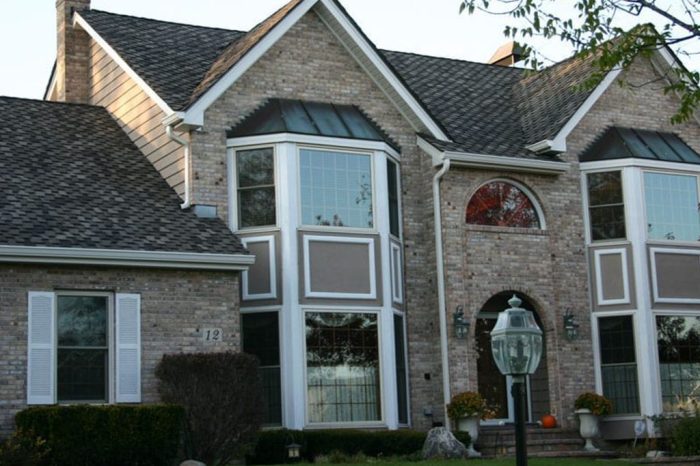
When it comes to getting new siding for your home, researching local house siding companies is crucial to ensure a successful and smooth installation process. By taking the time to find reputable companies in your area, you can rest assured that your home will receive high-quality siding that will last for years to come.
Identifying Reputable House Siding Companies
- Ask for recommendations from friends, family, or neighbors who have recently had siding installed.
- Check online reviews and ratings on websites like Yelp or Angie's List to see what previous customers have to say.
- Ensure the company is licensed, bonded, and insured to protect yourself in case of any accidents or damages during the installation process.
Benefits of Choosing a Local Company
- Local companies are more familiar with the climate and building codes in your area, ensuring that your siding is installed correctly and will withstand local weather conditions.
- Working with a local company makes communication easier and more convenient, as you can easily reach out to them if you have any questions or concerns.
- Supporting local businesses helps boost the economy in your community and fosters a sense of trust and accountability between you and the company.
Types of House Siding Materials
When it comes to house siding, there are various materials to choose from. Each material has its own set of benefits and drawbacks, so it's important to understand the differences before making a decision.
Vinyl Siding
Vinyl siding is one of the most popular choices due to its affordability and low maintenance. It is durable, resistant to rot and insects, and comes in a wide range of colors and styles. However, it may not be as environmentally friendly as other options.
Fiber Cement Siding
Fiber cement siding is a versatile and durable option that can mimic the look of wood, stucco, or masonry. It is resistant to fire, insects, and rot, making it a long-lasting choice. While it is more expensive than vinyl, it offers a high return on investment.
Wood Siding
Wood siding provides a natural and traditional look to a home. It can be painted or stained in various colors and is biodegradable. However, wood siding requires regular maintenance to prevent rot, insect damage, and warping. It is typically more expensive than vinyl or fiber cement siding.
Aluminum Siding
Aluminum siding is lightweight, durable, and low maintenance. It is resistant to fire, rot, and insects, making it a long-lasting option. However, aluminum siding can dent easily and may not offer as much insulation as other materials.
Engineered Wood Siding
Engineered wood siding is made from wood fibers and resins, offering the natural look of wood with added durability and resistance to rot and insects. It can be more affordable than traditional wood siding and comes in various textures and finishes.
Most Popular House Siding Materials
Local house siding companies often recommend vinyl siding for its affordability, durability, and low maintenance. Fiber cement siding is also a popular choice for its versatility and longevity. Wood siding is preferred by those looking for a natural aesthetic, despite the higher maintenance requirements.
Factors to Consider when Choosing a House Siding Company

When looking for a house siding company, there are several key factors to keep in mind to ensure you make the right choice for your home. From checking for licenses and insurance to asking the right questions, here are some important considerations to help you select the best house siding company for your needs
Importance of Checking for Licenses and Insurance
It is crucial to verify that the house siding company you are considering is properly licensed and insured. This not only ensures that they are operating legally, but it also provides you with protection in case of any accidents or damages during the siding installation process.
A licensed and insured company demonstrates professionalism and accountability, giving you peace of mind knowing that your home is in good hands.
Checklist of Questions to Ask Potential House Siding Companies
- Can you provide references from past customers?
- What type of siding materials do you work with?
- How long have you been in business?
- Do you offer a warranty on your work?
- Will you obtain the necessary permits for the siding installation?
- What is the estimated timeline for the project?
- Do you have experience working on homes similar to mine?
Understanding the House Siding Installation Process
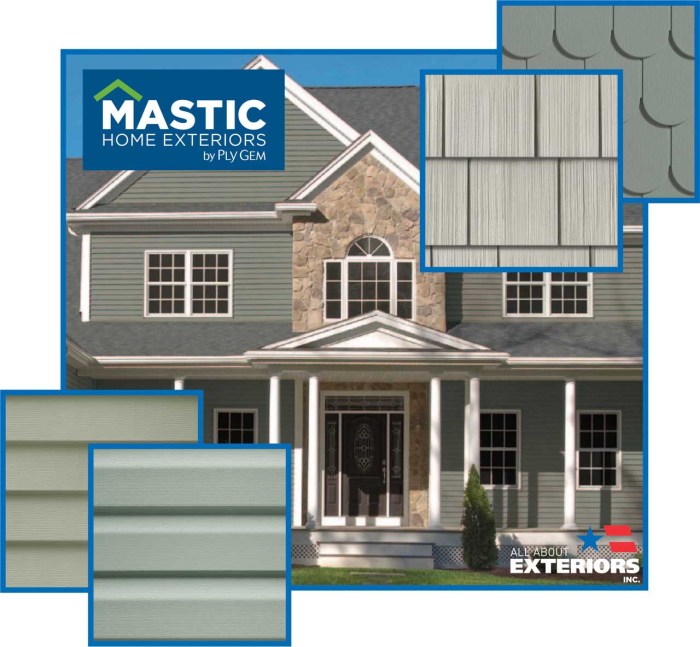
House siding installation is a crucial step in enhancing the appearance and protecting the structure of a home. It involves several key steps that must be followed diligently to ensure a successful outcome.
Typical Steps in House Siding Installation
- Prepare the exterior walls by cleaning and repairing any damage.
- Measure and cut the siding materials to fit the dimensions of the house.
- Install the starter strip at the bottom of the wall to secure the first row of siding.
- Attach the siding panels, ensuring they overlap correctly to provide proper protection against the elements.
- Finish the installation with trim pieces around windows, doors, and corners for a polished look.
Importance of Proper Preparation
Proper preparation before installing house siding is crucial to the success of the project. This includes assessing the condition of the walls, repairing any damage, and ensuring a clean surface for the siding to adhere to. Failure to prepare adequately can lead to issues such as poor insulation, moisture problems, or uneven siding installation.
Potential Challenges During Installation
- Uneven walls: If the walls are not properly aligned, it can make the installation process more challenging and result in an uneven appearance.
- Weather conditions: Adverse weather conditions such as rain or extreme heat can impact the installation process and delay the project.
- Incorrect measurements: Inaccurate measurements can lead to wasted materials and a poor fit, requiring additional time and resources to correct.
Final Review
In conclusion, the journey of finding reputable house siding companies near you involves careful research, consideration of materials, and selection of the right company for the job. With the knowledge gained from this guide, you're better equipped to navigate the world of house siding installations with confidence and ease.
FAQ Overview
How important is it to research local house siding companies?
Researching local companies is crucial as it allows you to assess their reputation, quality of work, and proximity for convenient services.
What are some common types of house siding materials?
Common siding materials include vinyl, wood, fiber cement, and metal, each with its own advantages and considerations.
Why is checking for licenses and insurance important when choosing a house siding company?
Checking for licenses and insurance ensures that the company meets industry standards and provides protection in case of any unforeseen incidents.
What are the typical steps involved in house siding installation?
The installation process usually includes preparation of the exterior, removal of old siding, installation of new siding, and finishing touches for a polished look.
What are some potential challenges that may arise during the house siding installation process?
Challenges can include weather delays, structural issues, or unexpected damage that may require adjustments to the installation plan.