

Embark on a journey into the realm of B Architecture, where innovation meets creativity and sustainability. This overview will delve into the significance, evolution, elements, challenges, and opportunities within the realm of B Architecture.
Introduction to b architecture
b architecture, also known as bioarchitecture, is a design approach that incorporates natural materials and principles to create sustainable and environmentally friendly structures. This architectural style focuses on harmonizing with the surrounding environment, utilizing renewable resources, and minimizing the impact on nature.
Significance and Characteristics of b architecture
- b architecture emphasizes the use of locally sourced materials such as adobe, straw, wood, and stone, reducing the carbon footprint of construction projects.
- Buildings designed using b architecture principles often feature passive heating and cooling systems, natural ventilation, and green roofs to enhance energy efficiency.
- The integration of organic shapes and bioclimatic design strategies in b architecture results in visually striking and unique structures that blend seamlessly with nature.
- By promoting sustainable practices and honoring traditional building techniques, b architecture contributes to the preservation of cultural heritage and the promotion of eco-friendly living.
Examples of Famous b Architecture Structures
Some notable examples of b architecture structures around the world include:
- The Earthship Biotecture community in New Mexico, USA, known for its off-grid homes made from recycled materials and sustainable design features.
- The Nk'Mip Desert Cultural Centre in British Columbia, Canada, designed with rammed earth walls and a living roof to blend harmoniously with the arid landscape.
- The Centre for Alternative Technology in Wales, UK, showcasing innovative eco-friendly buildings constructed using straw bales, timber, and renewable energy systems.
Evolution of b architecture

The evolution of b architecture can be traced back to the mid-20th century when architects began to explore new forms, materials, and technologies to create innovative and sustainable structures. B architecture is characterized by its focus on sustainability, functionality, and integration with the surrounding environment.
Comparison of traditional architecture with b architecture
Traditional architecture often relied on historical styles and building techniques, while b architecture embraces modern materials and construction methods. B architecture also places a strong emphasis on energy efficiency and green design principles, which were not typically priorities in traditional architecture.
Influential architects and movements in b architecture
Frank Lloyd Wright
Known for his organic architecture principles, Wright's work has had a significant impact on b architecture, emphasizing harmony between the built environment and nature.
Zaha Hadid
A pioneer of parametric design, Hadid's innovative approach to form and structure has influenced the aesthetic of b architecture around the world.
Sustainable Architecture Movement
This movement has been instrumental in promoting eco-friendly design practices and influencing the integration of sustainable features into b architecture projects.
Elements of b architecture
In b architecture, there are several key elements and features that define this innovative approach to design and construction. Sustainability, eco-friendliness, and the use of innovative materials and technologies are crucial aspects of b architecture.
Sustainability and Eco-friendliness
In b architecture, sustainability is a core principle that guides the design and construction process. Buildings are designed to minimize their environmental impact by reducing energy consumption, using renewable resources, and incorporating green spaces. Eco-friendly practices such as rainwater harvesting, solar panels, and green roofs are commonly integrated into b architecture projects to promote a more sustainable built environment.
Innovative Materials and Technologies
B architecture embraces the use of cutting-edge materials and technologies to create buildings that are not only aesthetically pleasing but also highly functional and efficient. From advanced insulation systems to smart building automation, b architecture incorporates the latest innovations to improve energy efficiency, indoor air quality, and overall comfort for occupants.
Sustainable materials like bamboo, recycled steel, and low-VOC paints are also commonly used in b architecture projects to reduce environmental impact and promote healthy living spaces.
Challenges and opportunities in b architecture
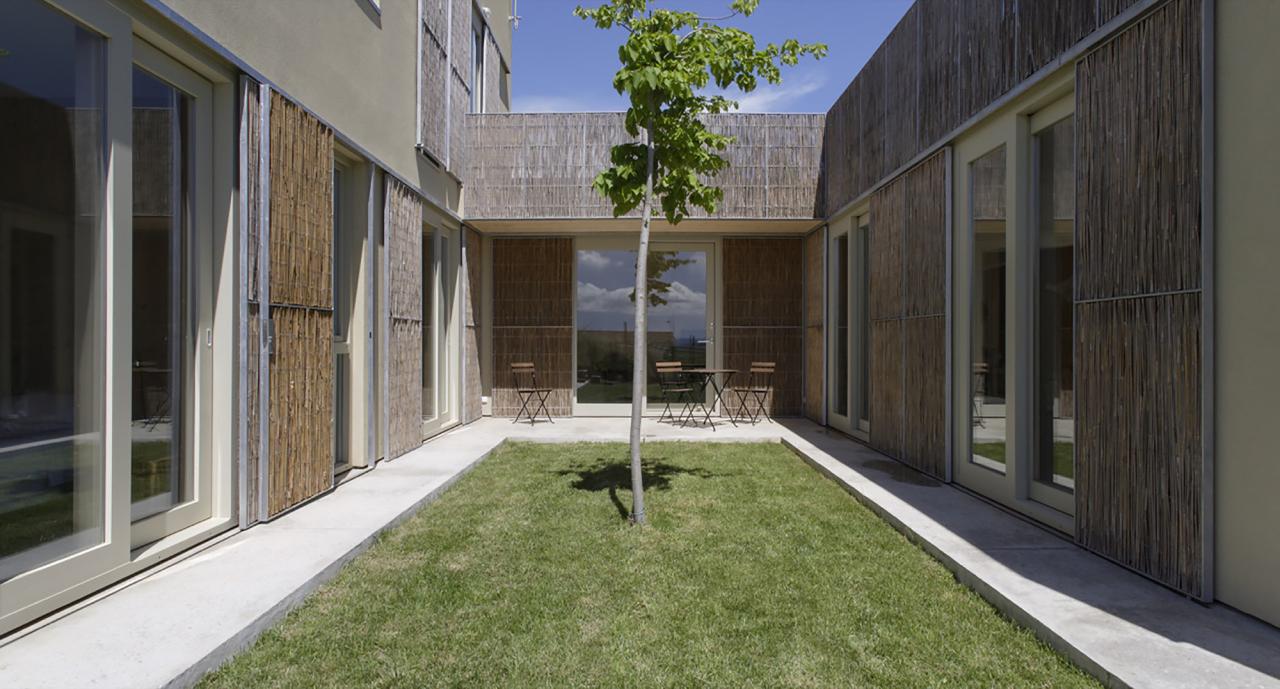
When it comes to b architecture, architects face a unique set of challenges due to the innovative and unconventional nature of these structures. However, these challenges also present exciting opportunities for creativity and innovation in the field. Let's explore the impact of b architecture on urban landscapes and communities.
Challenges faced by architects in designing b architecture structures
Architects designing b architecture structures often encounter challenges such as:
- Complexity in structural design due to unconventional shapes and forms.
- Integration of sustainable features and technologies in the design.
- Regulatory hurdles and compliance issues related to building codes.
- Cost implications of using advanced materials and construction techniques.
- Ensuring functionality and usability while pushing the boundaries of traditional design.
Opportunities for creativity and innovation in b architecture projects
Despite the challenges, b architecture projects offer architects unique opportunities to:
- Experiment with new materials and construction methods to achieve visionary designs.
- Create sustainable and environmentally friendly structures that set new standards.
- Integrate cutting-edge technology for enhanced functionality and user experience.
- Collaborate with experts from various fields to bring interdisciplinary solutions to life.
- Push the boundaries of traditional architecture and redefine the built environment.
Impact of b architecture on urban landscapes and communities
B architecture has a profound impact on urban landscapes and communities by:
- Transforming skylines with iconic and futuristic structures that become landmarks.
- Catalyzing urban regeneration and revitalization through innovative architectural interventions.
- Inspiring community engagement and fostering a sense of pride and identity.
- Promoting sustainability and resilience in the face of environmental challenges.
- Creating dynamic spaces that enhance the quality of life for residents and visitors alike.
Case studies in b architecture

Exploring iconic b architecture projects and their design concepts can provide valuable insights into the use of space, light, and materials in creating stunning architectural designs.
Case Study 1: Guggenheim Museum Bilbao
The Guggenheim Museum Bilbao, designed by Frank Gehry, is a prime example of innovative b architecture. The building's unique form and use of titanium panels create a visually striking structure that stands out in the urban landscape.
- Utilization of natural light through skylights and large glass curtain walls enhances the visitor experience and showcases the art within.
- The use of titanium panels not only adds to the aesthetic appeal but also provides a durable and low-maintenance exterior.
- The fluidity of space within the museum allows for seamless transitions between different exhibitions, creating a dynamic and engaging environment for visitors.
Case Study 2: Fallingwater by Frank Lloyd Wright
Fallingwater, designed by Frank Lloyd Wright, is a masterpiece of b architecture that seamlessly integrates with its natural surroundings.
- The use of cantilevered terraces and balconies creates a sense of connection between the interior spaces and the surrounding nature, blurring the line between indoor and outdoor living.
- The incorporation of local materials such as stone and wood helps the structure blend harmoniously with the landscape, enhancing the overall aesthetic appeal.
- The open floor plan and expansive windows allow for abundant natural light to flood the interior, creating a warm and inviting atmosphere throughout the house.
Closing Summary
In conclusion, B Architecture stands as a testament to the fusion of art, technology, and environmental consciousness. The structures born from this architectural style not only shape urban landscapes but also inspire communities around the globe.
General Inquiries
What sets B Architecture apart from traditional architecture?
B Architecture focuses on innovation, sustainability, and the use of cutting-edge materials and technologies, setting it apart from traditional architectural styles.
How does sustainability play a role in B Architecture?
Sustainability is a core principle in B Architecture, influencing design choices to minimize environmental impact and promote eco-friendly practices.
Who are some key architects or movements that have influenced B Architecture?
Architects like Zaha Hadid and movements like Deconstructivism have played significant roles in shaping the landscape of B Architecture.