
Architecture building design sets the stage for this enthralling narrative, offering readers a glimpse into a story that is rich in detail and brimming with originality. From the importance of architecture in shaping building design to sustainable practices and the evolution of architectural styles, this topic delves into a world where creativity meets functionality in captivating ways.
Importance of Architecture in Building Design
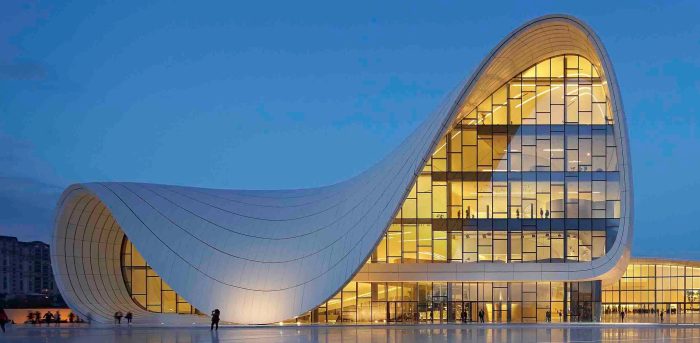
Architecture plays a crucial role in shaping the design of buildings, influencing both their functionality and aesthetics. The way a building is designed can impact how people interact with the space and can evoke different emotions.
Influence on Functionality
Architectural elements such as layout, structural design, and building materials can significantly impact the functionality of a structure. For example, a well-designed building with efficient space utilization can enhance productivity in a workplace environment.
Influence on Aesthetics
The aesthetic appeal of a building is often a result of architectural elements like facade design, window placement, and overall symmetry. Iconic buildings like the Sydney Opera House or the Guggenheim Museum showcase how architecture can create visually stunning structures that become landmarks.
Key Principles of Building Design in Architecture
Building design in architecture is guided by several key principles that help architects create functional and aesthetically pleasing structures. These principles take into account factors such as space, light, materials, and form to ensure that the final design meets the needs of its users and the surrounding environment.
Space
Space is a crucial element in building design as it dictates the overall layout and functionality of a structure. Architects carefully consider how to allocate space within a building to optimize its use and create a comfortable environment for occupants.
Light
Light plays a significant role in architectural design, influencing the mood, ambiance, and functionality of a space. Architects strategically incorporate natural and artificial lighting to enhance the aesthetics of a building while ensuring proper illumination for various activities.
Materials
The selection of materials is another essential aspect of building design. Architects choose materials based on their durability, sustainability, aesthetics, and suitability for the project's requirements. The right materials can enhance the overall design and functionality of a building.
Form Follows Function
The principle of "form follows function" is a fundamental concept in architectural design. It emphasizes that the form of a building should be derived from its intended function or purpose. By prioritizing functionality over aesthetics, architects can create spaces that are efficient, practical, and well-suited to their users' needs.
Sustainable Practices in Architecture and Building Design
When it comes to architecture and building design, incorporating sustainable practices is crucial in creating environmentally friendly structures that minimize negative impacts on the planet. By integrating green technologies and passive design strategies, architects can significantly reduce energy consumption and carbon footprints.
Integration of Green Technologies
One key aspect of sustainable architecture is the integration of green technologies such as solar panels, green roofs, and passive design strategies. Solar panels harness the power of the sun to generate electricity, reducing the reliance on fossil fuels
Passive design strategies utilize natural elements like sunlight, wind, and shading to regulate temperature and lighting within a building, reducing the need for artificial heating and cooling.
Examples of Sustainable Architecture Projects
There are numerous examples of sustainable architecture projects around the world that showcase the positive impact of incorporating green technologies and design strategies. The Bullitt Center in Seattle, Washington, is a net-zero energy commercial building that generates all its energy on-site through solar panels.
The Bosco Verticale in Milan, Italy, is a residential tower covered in greenery that helps reduce air pollution and provide natural habitats for wildlife. These projects not only demonstrate the feasibility of sustainable practices but also inspire future developments to prioritize environmental consciousness.
Evolution of Architectural Styles in Building Design
Architectural styles have evolved significantly throughout history, reflecting the cultural, social, and technological advancements of different civilizations. From the grand structures of ancient civilizations to the sleek designs of modern architecture, each era has left its mark on the built environment.
Ancient and Classical Architecture
Ancient civilizations such as the Egyptians, Greeks, and Romans laid the foundation for architectural styles that would influence generations to come. The use of columns, arches, and intricate detailing characterized their monumental structures, showcasing their advanced engineering and artistic skills.
Gothic Architecture
The Gothic style emerged in the Middle Ages, characterized by pointed arches, ribbed vaults, and flying buttresses. Cathedrals like Notre Dame in Paris exemplify the grandeur and verticality associated with this style, aiming to inspire awe and reverence.
Baroque Architecture
Baroque architecture, which flourished in the 17th and 18th centuries, emphasized emotion, movement, and drama. Elaborate ornamentation, curving forms, and illusionistic effects were hallmarks of this style, seen in palaces, churches, and public buildings.
Modernism
Modernism emerged in the early 20th century, focusing on simplicity, functionality, and the use of new materials like glass and steel. Architects like Le Corbusier and Frank Lloyd Wright championed this style, advocating for clean lines, open spaces, and a break from traditional ornamentation.
Postmodernism
Postmodernism challenged the strict principles of Modernism, embracing eclecticism, historical references, and playful experimentation. Buildings like the Pompidou Centre in Paris and the Walt Disney Concert Hall in Los Angeles showcase the whimsical and unconventional approach of this style.
Wrap-Up
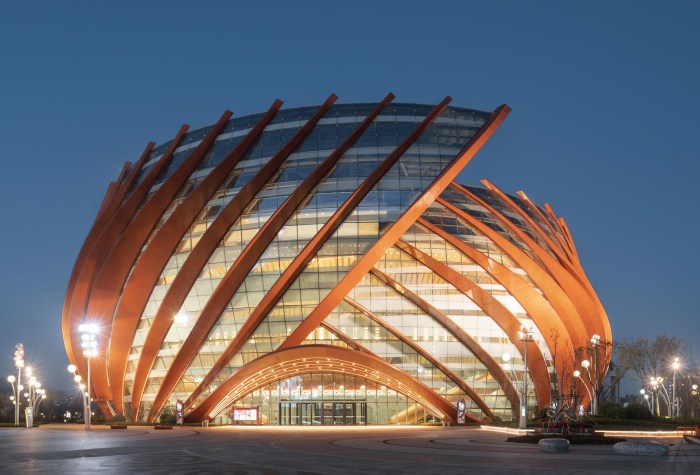
As we conclude this exploration of architecture building design, we reflect on the intricate balance between aesthetics and functionality that defines the field. From iconic structures shaped by architectural elements to the sustainable future of building design, the journey through this dynamic landscape leaves us inspired by the endless possibilities that architecture offers.
General Inquiries
What role does architecture play in building design?
Architecture not only shapes the visual appeal of buildings but also influences their functionality and overall aesthetic.
What are some key principles followed in architectural design?
Fundamental principles in architectural design include considerations for space, light, materials, and the concept of form follows function.
How do sustainable practices impact architecture and building design?
Sustainable design techniques like green technologies and passive design strategies are crucial for creating environmentally friendly buildings.
Can you provide examples of iconic buildings where architecture plays a significant role in design?
Buildings like the Sydney Opera House and the Guggenheim Museum showcase how architecture can define the identity and impact of a structure.