

Step into the world of Guastavino tile, a masterpiece in architectural design that has stood the test of time. From its rich history to the intricate manufacturing process, this remarkable tile has adorned iconic structures across the globe. Let's delve into the fascinating realm of Guastavino tile and uncover its secrets.
Introduction to Guastavino Tile
Guastavino tile is a unique architectural element that has a rich history dating back to the late 19th century. It was invented and popularized by Spanish architect Rafael Guastavino, known for its innovative construction techniques and distinctive design.
Characteristics of Guastavino Tile
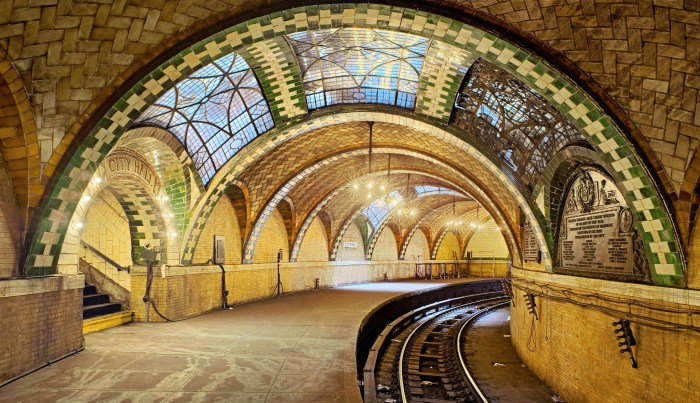
- Guastavino tiles are thin, interlocking terracotta tiles that are used to create self-supporting arches and vaults.
- These tiles are known for their strength, durability, and fire-resistant properties, making them a popular choice for architectural structures.
- The unique construction of Guastavino tile allows for large, open interior spaces without the need for additional support columns.
Examples of Famous Structures with Guastavino Tile
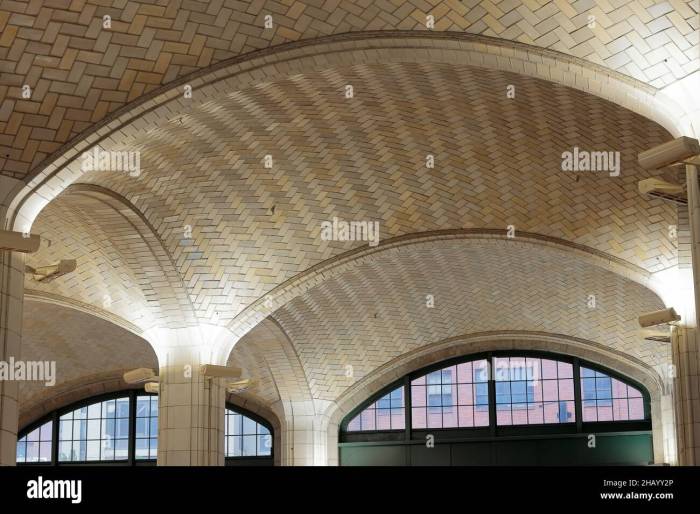
- The Oyster Bar in Grand Central Terminal, New York City, showcases the beauty and functionality of Guastavino tile in its iconic arched ceilings.
- The Boston Public Library in Massachusetts features intricate Guastavino tile vaults in its grand entrance hall, adding to the grandeur of the space.
- The Biltmore Estate in Asheville, North Carolina, boasts impressive Guastavino tile work in its indoor swimming pool, highlighting the versatility of this architectural element.
Manufacturing Process of Guastavino Tile
Guastavino tile, known for its unique structural properties and beautiful designs, is manufactured using traditional methods that have stood the test of time.
Traditional Manufacturing Methods
- Guastavino tiles are typically made by hand, using a combination of clay, sand, and water.
- The mixture is shaped into tiles and dried in the sun or a kiln to ensure durability.
- Skilled craftsmen then glaze and fire the tiles to create a smooth, glossy finish.
Materials Used
- Clay: The primary material used in Guastavino tile production, providing strength and durability.
- Sand: Adds texture and stability to the tiles, ensuring they can withstand heavy loads.
- Water: Essential for blending the clay and sand mixture to create the perfect consistency for molding.
Structural Properties
- Strength: Guastavino tiles are known for their exceptional strength, making them ideal for architectural applications requiring load-bearing capabilities.
- Durability: The firing process and materials used ensure that Guastavino tiles can withstand the test of time, even in challenging environmental conditions.
- Fire Resistance: Due to the firing process, Guastavino tiles have inherent fire-resistant properties, enhancing their suitability for construction projects.
Applications of Guastavino Tile
Guastavino tile has been widely used in various architectural applications due to its unique characteristics and structural capabilities. Let's explore how this traditional tile is incorporated in modern construction projects and its durability in different environments.
Architectural Applications
Guastavino tile is commonly used in creating domes, vaults, and arches in buildings such as churches, museums, and train stations. The tile's ability to create self-supporting structures with intricate designs has made it a popular choice for architects looking to combine aesthetics with functionality.
- One notable example of Guastavino tile application is the Grand Central Terminal in New York City, where the intricate tile work can be seen in the Oyster Bar restaurant's vaulted ceilings.
- In modern construction, Guastavino tile is also used in luxury residences, hotels, and cultural institutions to add a touch of elegance and historical charm to the architecture.
Durability and Sustainability
Guastavino tile is known for its durability and sustainability, making it a preferred choice for projects requiring long-lasting and environmentally friendly materials.
The tile's unique composition of layers allows for natural ventilation and moisture control, reducing the need for additional climate control systems in buildings.
- Due to its fire-resistant properties, Guastavino tile is often used in structures where fire safety is a priority, such as in libraries, theaters, and government buildings.
- Its resistance to weathering and ability to withstand harsh environmental conditions make Guastavino tile ideal for both interior and exterior applications in various climates.
Preservation and Restoration of Guastavino Tile
Preservation and restoration of Guastavino tile structures are crucial for maintaining the historical significance and architectural beauty of these unique constructions. The challenges involved in preserving these historic structures are intricate and require specialized techniques to ensure the longevity of the Guastavino tiles.
Challenges in Preserving Historic Structures with Guastavino Tile
Preserving historic structures with Guastavino tile poses challenges due to the delicate nature of the tiles and the need to maintain the original aesthetic and structural integrity. The main challenges include identifying original materials, addressing structural issues without compromising the design, and protecting against environmental factors that can cause deterioration.
Techniques Used in the Restoration of Guastavino Tile
Restoration of Guastavino tile involves meticulous techniques such as cleaning, repairing damaged tiles, stabilizing structures, and matching new materials to the original design. Conservationists use laser scanning technology to create detailed 3D models for accurate restoration, as well as specialized cleaning methods to remove dirt and grime without damaging the tiles.
Importance of Preserving Guastavino Tile Structures for Future Generations
Preserving Guastavino tile structures is essential for future generations to appreciate the architectural brilliance and craftsmanship of these historic buildings. By maintaining these structures, we can ensure that the legacy of Rafael Guastavino and his innovative tile system is passed down to future architects, historians, and enthusiasts, providing inspiration and insight into the cultural heritage of the past.
Epilogue
As we conclude this exploration of Guastavino tile, one thing is clear - its lasting impact on architecture is undeniable. From preservation challenges to modern applications, the legacy of Guastavino tile continues to inspire awe and admiration.
Helpful Answers
How long has Guastavino tile been used in architecture?
Guastavino tile has been a part of architectural design since the late 19th century, gaining popularity for its structural and aesthetic qualities.
What makes Guastavino tile unique compared to traditional tiles?
Unlike traditional tiles, Guastavino tile is known for its self-supporting arch system, allowing for open, spacious interiors without the need for additional support.
Are there any famous buildings that feature Guastavino tile?
Yes, notable structures like Grand Central Terminal in New York City and the Boston Public Library showcase the exquisite beauty of Guastavino tile.
How durable is Guastavino tile in different environments?
Guastavino tile is highly durable and sustainable, making it suitable for a variety of environments ranging from historic landmarks to modern constructions.
What are the challenges faced in preserving Guastavino tile structures?
Preserving Guastavino tile structures involves unique challenges due to the intricate restoration techniques required to maintain their original beauty and integrity.